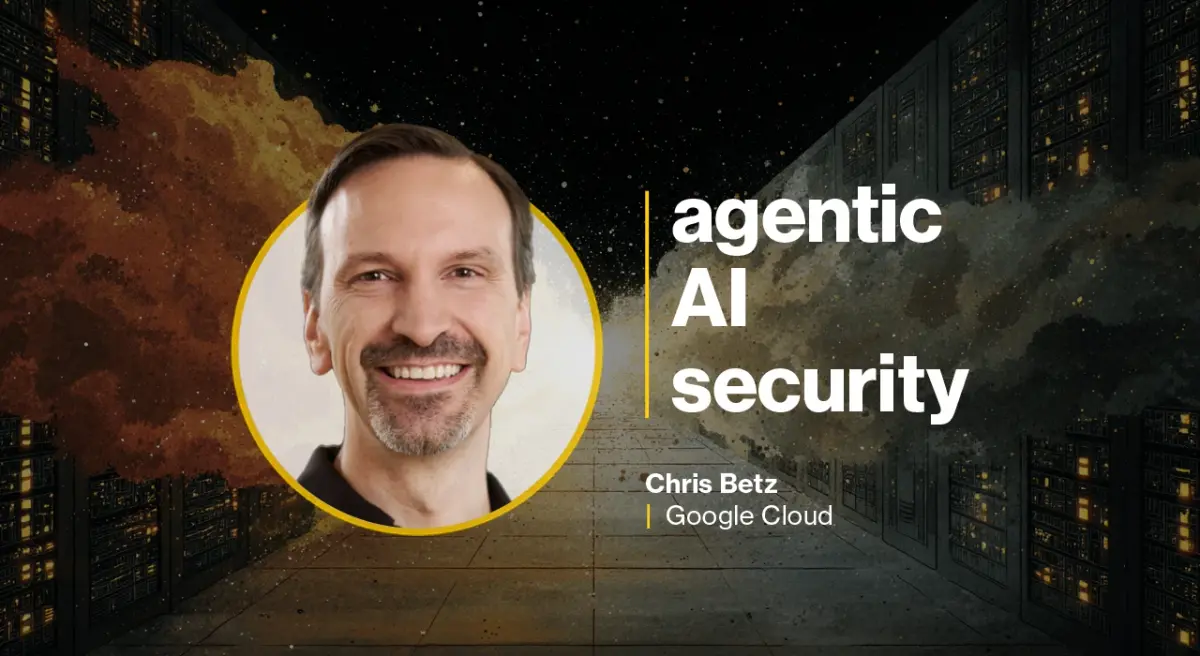
The discussion addressed five key inquiries regarding security practices as these AI agents become more widespread.
Betz asserted that the prior assumption that security operations would remain predominantly reliant on human-driven processes is significantly outdated, given that threat actors now leverage automation to traverse networks in mere minutes. Furthermore, he elaborated on how these agents might reshape the responsibilities of entry-level security analysts. He also detailed the challenges in detecting groups engaged in espionage, outlined specific controls that organizations ought to discontinue, and specified what questions governing boards should pose.
The conversation, which was initially published on Help Net Security, underscores a significant shift in operational security paradigms. This evolving landscape necessitates that platform operators and security governance bodies reassess traditional defense postures against increasingly automated adversarial tactics.
Why it matters
This signals a major shift in operational security, forcing infrastructure and security teams to adapt to automated threats. Readers need to understand how agentic AI will reshape SOC functions and required security controls immediately.