This development is notable because, while bringing a classic MacOS Finder to Linux is common, implementing it within 9front is considered even more unexpected and useful.
The project functions as a "Macintosh-inspired graphical environment for 9front," as described in its GitHub repository. The README further details that 9/UX integrates the classic Mac and A/UX desktop experience—including a spatial desktop, a global menu bar, and consistent controls—into 9front.
This integration adheres to the Plan 9 methodology: rio and libdraw handle screen drawing, 9P exposes application UI states and commands as files, namespaces define the working environment, the plumber manages document opening, and ndb stores human-editable metadata.
Lindsay initially presented 9/UX via an X thread this month, stating he "made my own kind of A/UX but on Plan 9." He later clarified that "9/UX isn’t just a pretty Mac-style UI on Plan 9."
Furthermore, the environment is "filesystem inspectable" and "Shell scriptable," allowing even the Mac resource file format to be utilized through the filesystem.
The Reg FOSS desk has previously documented the unique, cryptic UI of 9front, which was inspired by the very small Oberon OS from Niklaus Wirth.
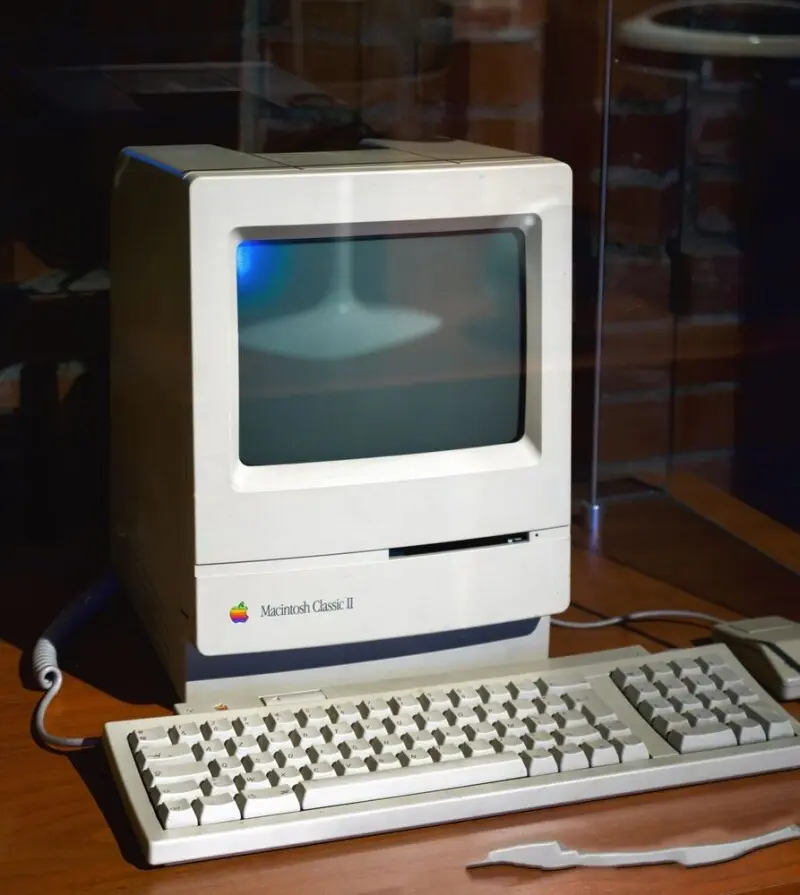
This new interface offers a simpler, attractive desktop for 9front, reminiscent of the era of Apple's 68030 Unix A/UX.
This effort arrives as the Plan 9 ecosystem continues to evolve, following the path of Research Unix through its various editions before Plan 9 emerged.
This shift toward a more accessible GUI for 9front aligns with broader trends in platform development, particularly given the recent emergence of LLM-assisted 9front applications found in the agent9 distribution.
Why it matters
This development offers a significant usability improvement for 9front, addressing its historically cryptic interface. For operators focused on platform stability and interface design, this new GUI presents an interesting alternative to the existing, idiosyncratic UI.