Silicon Insights






AI dev tools
4 of the latest




Security
4 of the latest




Cloud
4 of the latest



More stories

Backbone of a beast – charting Nvidia's rise to networking titan
Nvidia is more than just a leader in graphics and AI hardware.

Google Discloses PageBreak AI Security Agent That Found 500+ XSS Bugs
Google PageBreak uses Gemini models to autonomously investigate potential vulnerabilities, but reports them only after deterministic validators successfully reproduce the exploit against a running application, resulting in a near-zero false-positive rate.
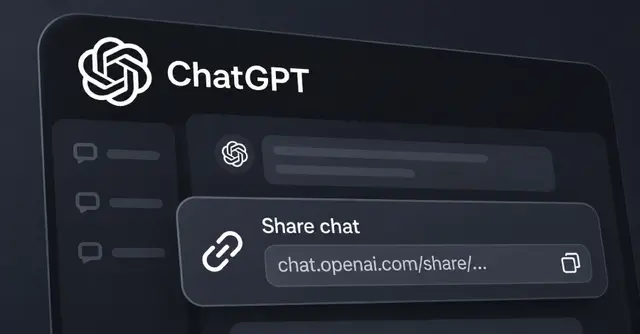
A Shared ChatGPT Link Could Run Attacker Code in Your Session and Read Private Chats
A malicious ChatGPT share link could run an attacker's code in the logged-in session of anyone who opened it, allowing them to read their private conversations, researchers at the security firm Parameter showed.

Critical Linux kernel flaw allows remote root attacks on MPTCP servers
Security researchers at Anthropic have developed an exploit for a critical Linux kernel vulnerability that allows unauthenticated attackers to remotely execute commands as root on servers running Multipath TCP (MPTCP) listeners.

Defending the patch gap against automated attackers
AI models can now identify software vulnerabilities as effectively as top security researchers, and at a speed and scale that was not possible a year ago.

Malicious Claude Code Extension Affects Up to 5,000 Cursor Users
Cursor has disclosed a security incident involving malicious versions of Anthropic’s Claude Code extension that attempted to install a persistent backdoor on developers’ computers.

Busy GPUs can hide slow AI inference on Kubernetes
A Kubernetes cluster can be healthy while the AI service running on it disappoints users.

Crim spent $7K+ on AI services in extortion attacks, then left evidence for all to see
A n0n ransomware operator tried to break into 23 organizations across 14 countries, but couldn't secure its own front door, leaving its server exposed with all of its methods on view.
Black Duck Adds AI Agent to Triage and Fix Vulnerabilities
Black Duck this week added an artificial intelligence (AI) agent to its portfolio that triages vulnerabilities and then generates and validates fixes for DevSecOps teams to review before applying them.
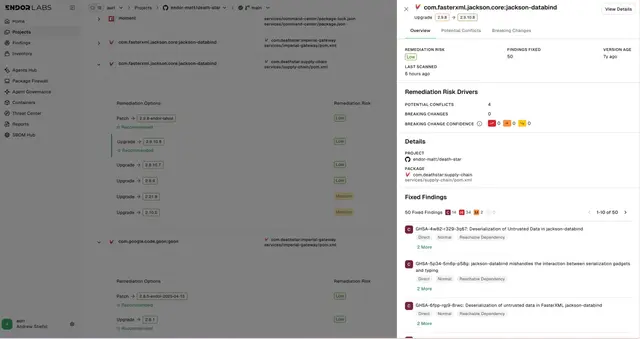
Endor Labs Adds AI Tool to Generate Fixes for Open Source Vulnerabilities
Endor Labs this week added an artificial intelligence (AI) tool to its portfolio that evaluates every reachable open source vulnerability against a code context graph to generate fixes that typically require only 10 lines of code to be generated and applied.