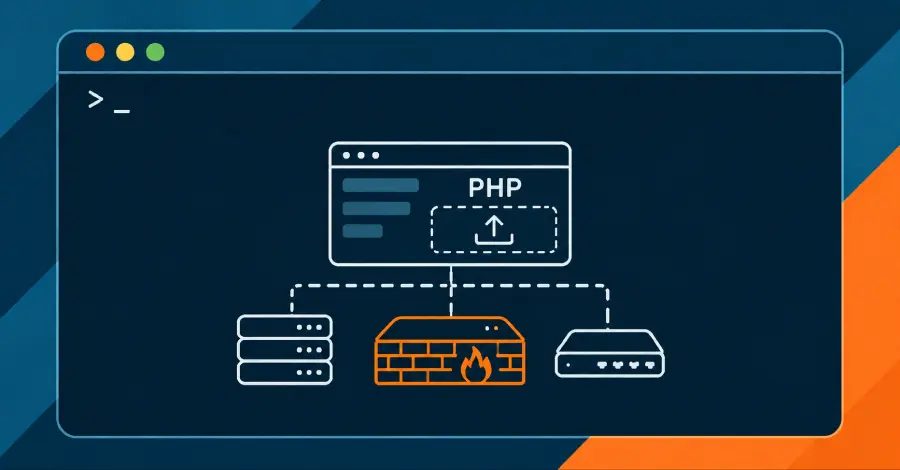
Attackers were observed leveraging two PHP vulnerabilities, CVE-2026-109618 and CVE-2026-109619, against PAN-OS management interfaces that were accessible over the internet, as verified by Palo Alto Networks on October 28. These specific flaws permitted any individual to run code on the web server without needing credentials. The firewall itself was among the initial systems targeted during the PHP2Shell exploitation campaign. Furthermore, the process of making this information public experienced some difficulties.
This incident underscores a broader architectural concern: the increasing prevalence of web application interfaces across traditionally perimeter-focused infrastructure components, such as firewalls.
Market participants and institutions must recognize that the attack surface is expanding to include management interfaces that are exposed to the public internet.
Why it matters
This highlights a critical security trend where core infrastructure components, like firewalls, are susceptible to web application exploits. Operators must immediately review internet-facing management interfaces for PAN-OS to prevent unauthorized code execution.